London - US President Donald Trump said American negotiators would travel to Pakistan for a new round of talks with Iran, even as he warned of potential military action if no deal is reached, underscoring the fragility of diplomacy ahead of a ceasefire deadline.
Tehran, however, signalled it would not join the talks, citing Washington's 'excessive demands, unrealistic expectations, constant shifts in stance, repeated contradictions, and the ongoing naval blockade'.
The comments came shortly after Trump said negotiations would resume on Tuesday, raising expectations of progress. The White House said Vice-President JD Vance would lead the US delegation, alongside envoys Steve Witkoff and Jared Kushner.
Iran has not confirmed participation in a second round of talks. State news agency IRNA reported that Tehran had declined to send a delegation, citing "Washington's excessive demands, unrealistic expectations, constant shifts in stance, repeated contradictions, and the ongoing naval blockade".
Indirect contacts between the two sides are continuing through Pakistani mediation, according to officials familiar with the process. Pakistan's foreign minister Ishaq Dar said efforts were under way to "bridge" differences.
The first round of talks in Islamabad, which lasted about 21 hours, ended without agreement, although both sides reported partial understandings. Key issues include Iran's nuclear programme, regional activities and the status of the Strait of Hormuz.
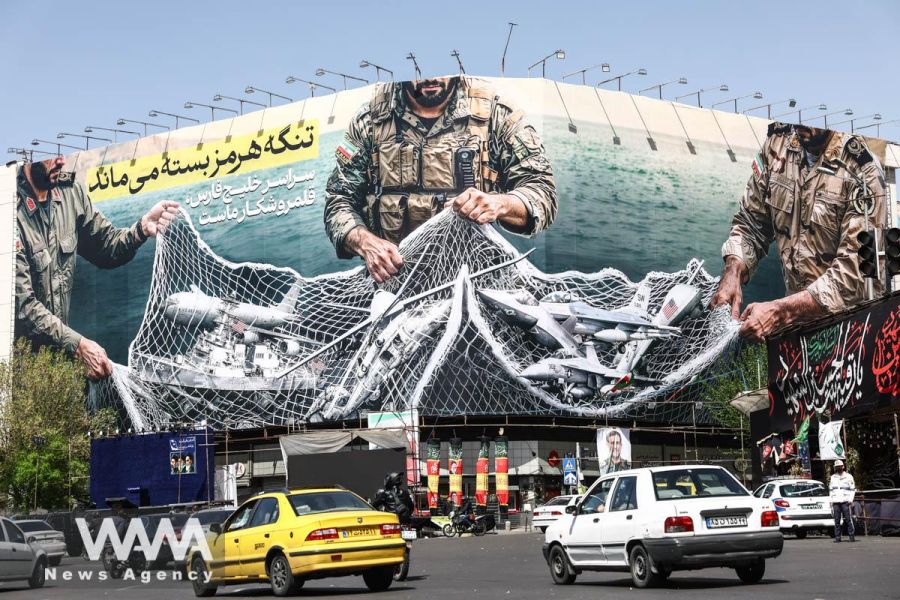
Tensions remain high in the Gulf, where the US has imposed a blockade on Iranian ports and Iran has tightened control over the Strait of Hormuz. Hundreds of vessels are waiting at either end of the waterway, through which roughly one-fifth of global oil trade normally passes.
Mohammad Bagher Ghalibaf, Iran's chief negotiator and parliamentary speaker, said Tehran would not allow transit through the strait while its own shipping is restricted. "It is impossible for others to pass through the Strait of Hormuz while we cannot," he said, adding that Iranian forces were "fully prepared" for any escalation.
Iran has described the US blockade as an "act of aggression". Iranian deputy foreign minister Saeed Khatibzadeh said Washington was "risking the whole ceasefire package".
Trump has also said that Iran had agreed not to close the strait and that it was "completely open", while maintaining that the US blockade would continue until a final agreement is reached.
Iranian officials have disputed that characterisation. President Masoud Pezeshkian said: "Trump says Iran cannot make use of its nuclear rights, but doesn't say for what crime. Who is he to deprive a nation of its rights?"
The conflict, now in its eighth week, has caused significant casualties across the region and disrupted global energy markets. Analysts say both sides are using economic pressure points -- the US through its blockade and Iran through its control of Hormuz -- as leverage in negotiations.
With the ceasefire due to expire by Wednesday, the outcome of diplomatic efforts in the coming days is likely to determine whether tensions ease or escalate further.
Conversations
The opinions expressed in reader contributions are those of the respective author only, and do not reflect the opinions/views of Trans Asia News.