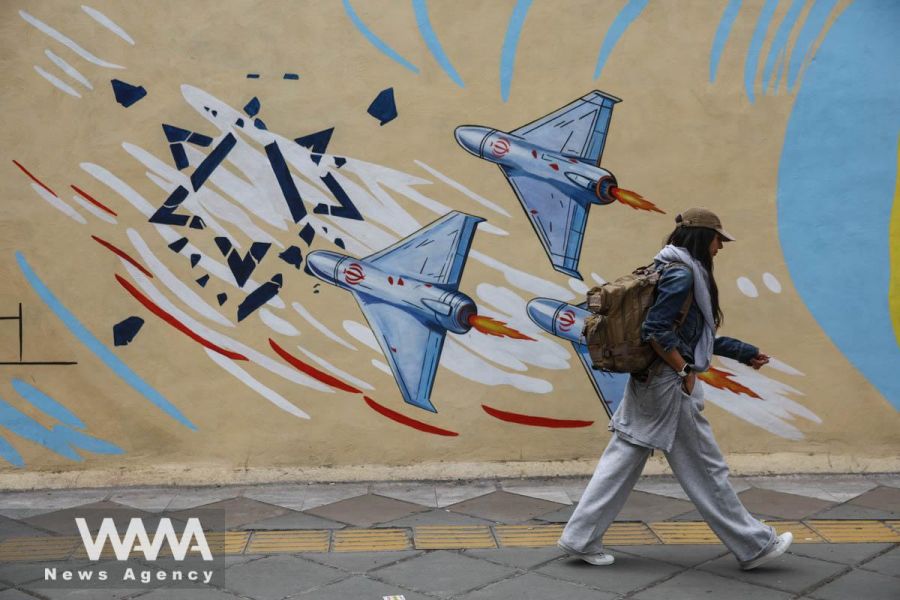
Tehran :Why has the small desert state of the United Arab Emirates, located on the southern shores of the Persian Gulf, become one of the primary targets of Iranian missile and drone attacks?
The answer, according to supporters of this view, lies in the policies and conduct of the Al Nahyan leadership over recent decades. The UAE, a relatively young state in the Persian Gulf region, has in recent years moved decisively closer to Israel, gradually becoming one of the pillars of the U.S.-backed regional order in West Asia.
Its limited population, small territory, and heavy economic dependence pushed Abu Dhabi and the other emirates to rely increasingly on the American security umbrella to safeguard oil exports and trade flows. The growing presence of U.S. troops on Emirati soil and the institutionalization of a security doctrine dependent on Washington placed the country deeper inside the American geopolitical framework in the region.
At the same time, the enormous wealth generated by oil revenues -- reflected in the rapid expansion of Dubai and Abu Dhabi -- also encouraged the UAE to project influence beyond its borders. Its role in regional developments in Yemen, Sudan, and Syria has become increasingly visible over the years.
As concerns over the expansion of the "Axis of Resistance" grew, the UAE's role as a financial backer of the U.S. military presence and a partner in certain Israeli security initiatives became more pronounced. In this context, the UAE emerged as the first member of the Abraham Accords and one of the leading Arab states to normalize relations with Israel.
The expansion of military, security, and economic ties between the UAE and the United States has also turned the country into a major host of THAAD missile defense systems among Arab states. Reports have additionally pointed to the activities of intelligence facilities linked to Mossad and the CIA near Iran's coastline. According to a report by the Financial Times, parts of Israel's air defense infrastructure have also been integrated into the UAE's security network, positioning Abu Dhabi alongside American bases in efforts to counter Iranian drones.
At the same time, critics of the UAE argue that its role during the Ramadan War extended beyond participation in the American-led air defense network. Some Iranian domestic sources, including a military analyst on state television and Iran's Judiciary News Agency, claimed that the final-day strike on oil facilities on Lavan Island was carried out by Emirati Mirage fighter jets. Iranian parliament member Manouchehr Mottaki has also stated that there is evidence suggesting the involvement of Emirati drones in attacks against Iran
Taken together -- alongside recurring territorial disputes over Iranian islands and long-standing disagreements regarding the name of the Persian Gulf -- supporters of this argument believe these developments explain why the UAE has increasingly been viewed in Tehran as a potential target for military retaliation.
From this perspective, the UAE is no longer seen merely as a peripheral regional actor, but rather as part of a broader anti-Iran regional coalition -- one that is still rumored to be willing to financially support future American military action against Iran.
Nevertheless, advocates of this position argue that Iran's military response during the first phase of the Ramadan War sent a clear warning to regional states about the costs of aligning with Tehran's adversaries. In their view, as long as some neighboring governments continue to operate within anti-Iran security frameworks, tensions between Tehran and those states are likely to persist.
Conversations
The opinions expressed in reader contributions are those of the respective author only, and do not reflect the opinions/views of Trans Asia News.