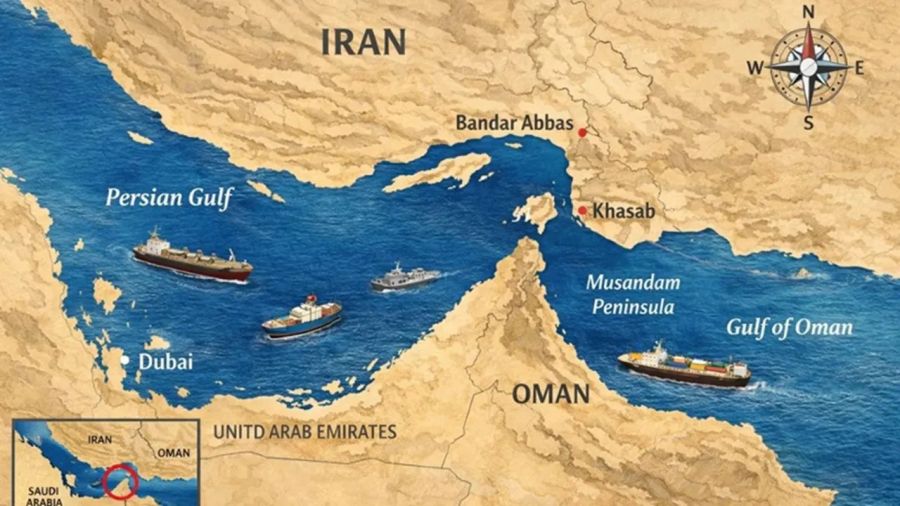
Tehran - In a significant development, Iran has announced the full reopening of the Strait of Hormuz to commercial shipping following the implementation of a ceasefire in Lebanon, in a move that signals tentative de-escalation after weeks of conflict that disrupted global energy markets.
Iran's foreign minister, Abbas Araghchi, said on Friday that the strategic waterway would be "completely open" for all commercial vessels for the duration of the ceasefire, with ships required to follow routes designated by Iran's Ports and Maritime Organisation.
The announcement came a day after US president Donald Trump declared a 10-day ceasefire between Israel and Lebanon, part of a broader diplomatic push linked to stalled negotiations between Washington and Tehran.
"Iran has just announced that the Strait ... is fully open and ready for full passage," Trump said in a post, welcoming the move. However, he added that a US naval blockade targeting Iran would remain in place "until such time as our transaction with Iran is 100% complete".
The Strait of Hormuz, a vital chokepoint for global oil shipments, had been effectively restricted during the conflict, with Iran limiting access to vessels linked to adversaries. The disruption contributed to volatility in energy markets and heightened fears over global supply chains.
The reopening reflects a fragile diplomatic moment, with both sides maintaining a ceasefire agreed earlier this month after 40 days of fighting that began on 28 February, when the US and Israel launched attacks on Iran. The conflict inflicted heavy damage across the region and raised concerns of a wider war.
Tehran has framed the development as a result of sustained military and diplomatic pressure. Iranian officials say their forces carried out extensive retaliatory strikes during the conflict while maintaining a firm stance in negotiations.
Central to the diplomatic breakthrough was Iran's insistence that any broader agreement must include a ceasefire in Lebanon. That demand had earlier contributed to a deadlock in US-Iran talks held in Islamabad last weekend, which ended without agreement.
Iran's parliament speaker, Mohammad Baqer Qalibaf, reiterated the position this week, saying Tehran considers a ceasefire in Lebanon as important as one in Iran and urging the US to commit to a broader peace framework.
The Lebanon truce appears to have unlocked movement on other fronts. Trump announced the ceasefire following talks with Israeli prime minister Benjamin Netanyahu and Lebanese president Joseph Aoun, while US officials have been working to prevent Israeli operations from undermining wider negotiations with Iran.
Pakistan has played a central mediating role in the process. A high-level delegation led by Pakistan's army chief, Field Marshal Asim Munir, visited Tehran this week, meeting senior Iranian leaders including president Masoud Pezeshkian, Qalibaf and commanders of the Islamic Revolutionary Guard Corps.
According to officials, the delegation carried messages from Washington and discussed the framework for a possible second round of negotiations between the US and Iran. Iranian media said the talks were part of ongoing efforts to facilitate communication between the two sides.
Pakistan is now preparing to host another round of high-stakes negotiations, expected as early as next week, although no date has been confirmed. Authorities have begun extensive security preparations in Islamabad and neighbouring Rawalpindi, with thousands of additional personnel deployed and contingency plans for traffic restrictions under consideration.
Prime minister Shehbaz Sharif has also stepped up diplomatic engagement, visiting Saudi Arabia, Qatar and Turkey as part of efforts to build regional support for a negotiated settlement. During a meeting in Antalya with a senior US adviser, Massad Boulos, Sharif discussed Pakistan's mediation efforts and the prospects for peace.
Trump has expressed optimism about the process, telling reporters he may travel to Islamabad if a final agreement is reached there. "If a deal is signed ... I may go," he said, adding that Iran had accepted "almost everything" under negotiation.
Despite the progress, significant uncertainties remain. The current ceasefire between the US and Iran is due to expire on 21 April, and key issues -- including Iran's nuclear programme, maritime security and post-war arrangements -- remain unresolved.
For now, the reopening of the Strait of Hormuz offers a measure of relief to global markets and a signal that diplomacy, however fragile, is gaining ground after weeks of confrontation.
Conversations
The opinions expressed in reader contributions are those of the respective author only, and do not reflect the opinions/views of Trans Asia News.