Tehran /Washington: In a dramatic late-night reversal, US President Donald Trump stepped back from the threat of launching devastating strikes on Iran, opting instead for a two-week ceasefire just hours before his own deadline for escalation expired. The abrupt pivot marks a critical turning point in a 40-day conflict that had pushed the region--and global energy markets--to the edge.
Until Tuesday evening, Trump had warned of imminent attacks on Iranian infrastructure, including bridges and power plants--targets that critics argued could have caused significant civilian harm amounting to war crimes. However, less than two hours before the deadline, the US president announced he would hold off--conditional on Iran agreeing to a temporary ceasefire and reopening the strategically vital Strait of Hormuz.
The narrow waterway, through which roughly one-fifth of global oil supply passes during peacetime, had become a central flashpoint in the conflict.
Trump stated that Iran had presented a "workable" 10-point peace proposal and that "almost all points of past contention" had been resolved, pending final negotiations during the two-week pause.
Iran Declares "Historic Victory"
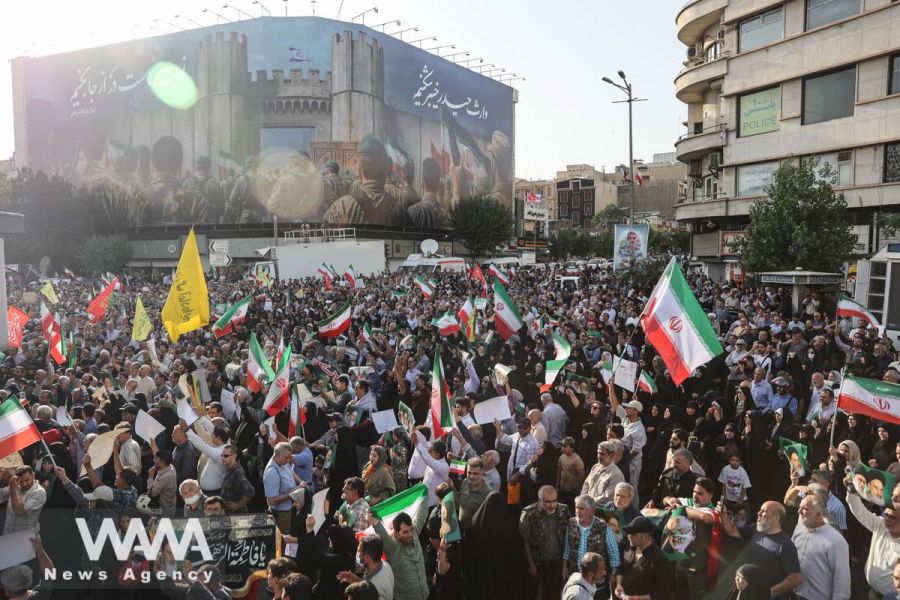
In stark contrast to Washington's cautious tone, Tehran declared outright victory.
In a statement issued by Iran's Supreme National Security Council, the country claimed it had delivered a "historic and crushing defeat" to both the United States and Israel, asserting that Washington had been forced to accept Iran's core demands.
Iranian officials framed the ceasefire not as a compromise, but as a submission by their adversaries. The statement emphasised that the US now saw "no way forward but to submit to the will of the great nation of Iran."
Iran's Foreign Minister, Abbas Araghchi, confirmed that Tehran would allow passage through the Strait of Hormuz during the ceasefire--but under Iranian military coordination, reinforcing its claim of strategic control over the waterway.
The 10-Point Plan: A Geopolitical Shift
At the heart of the emerging agreement is Iran's sweeping 10-point proposal, which--if fully implemented--would significantly reshape the regional balance of power. The plan includes:
- A permanent ceasefire and end to hostilities
- Continued Iranian control and supervision over the Strait of Hormuz
- Full lifting of US primary and secondary sanctions
- Acceptance of Iran's nuclear enrichment program
- Withdrawal of US combat forces from the Middle East
- Cancellation of UN and IAEA resolutions against Iran
- Release of frozen Iranian assets abroad
- Payment of war compensation to Iran
- Formal UN Security Council endorsement of the agreement
- Transformation of the deal into binding international law
The scope of these demands signals not just an end to the conflict, but a broader attempt by Tehran to redefine geopolitical and economic dynamics in the region.
War Origins and Escalation
The war began on February 28 with joint US-Israeli strikes that Iran says included the assassination of its Supreme Leader, Sayyed Ali Khamenei, along with senior military commanders. Washington and Tel Aviv had justified their actions by citing Iran's nuclear programme and regional influence.
Over the following weeks, both sides exchanged escalating threats, with Trump repeatedly setting--and then extending--deadlines for Iranian capitulation.
Mediation and Diplomatic Pressure
The latest breakthrough came after intense diplomatic engagement, particularly involving Pakistan. Prime Minister Shehbaz Sharif publicly urged Trump to extend his deadline, while Pakistan's army chief, Asim Munir, reportedly played a key role in backchannel discussions.
Trump acknowledged that his decision was influenced by these conversations, signalling a shift from coercive pressure to negotiated compromise.
Israel's Uneasy Acceptance
Israel has reportedly agreed to the ceasefire terms, but not without internal dissent. Prime Minister Benjamin Netanyahu is said to be deeply dissatisfied, with sources indicating that Israel had hoped to extract greater concessions from Iran.
Netanyahu, long sceptical of ceasefire arrangements, had previously pushed for a more aggressive strategy and was believed to have influenced earlier escalations.
Fragile Peace, Lingering Tensions
Despite the ceasefire, Iran has made it clear that the war is not truly over. In a warning-laden statement, Tehran emphasised that its "hands remain upon the trigger" and that any misstep by the US or Israel would be met with force.
Meanwhile, Iran continues to retain its stockpile of highly enriched uranium--one of the original triggers for the conflict--leaving a major issue unresolved.
A Shift in Global Power Dynamics
Analysts suggest the outcome could have lasting implications for US foreign policy.
Trita Parsi of the Washington-based Quincy Institute noted that the conflict may have weakened the credibility of US military threats in future negotiations with Iran.
Essentially, war with Iran was tried and failed.
Conversations
The opinions expressed in reader contributions are those of the respective author only, and do not reflect the opinions/views of Trans Asia News.